Hollywood's Cahuenga Corridor, once a bustling hub of music clubs and eclectic shops, is undergoing a significant metamorphosis, with developers increasingly converting older, often underutilized buildings into high-end boutique hotels and cutting-edge creative office spaces. This shift is largely fueled by the entertainment industry's demand for flexible workspaces and the growing influx of tech companies seeking a foothold in the heart of Los Angeles.
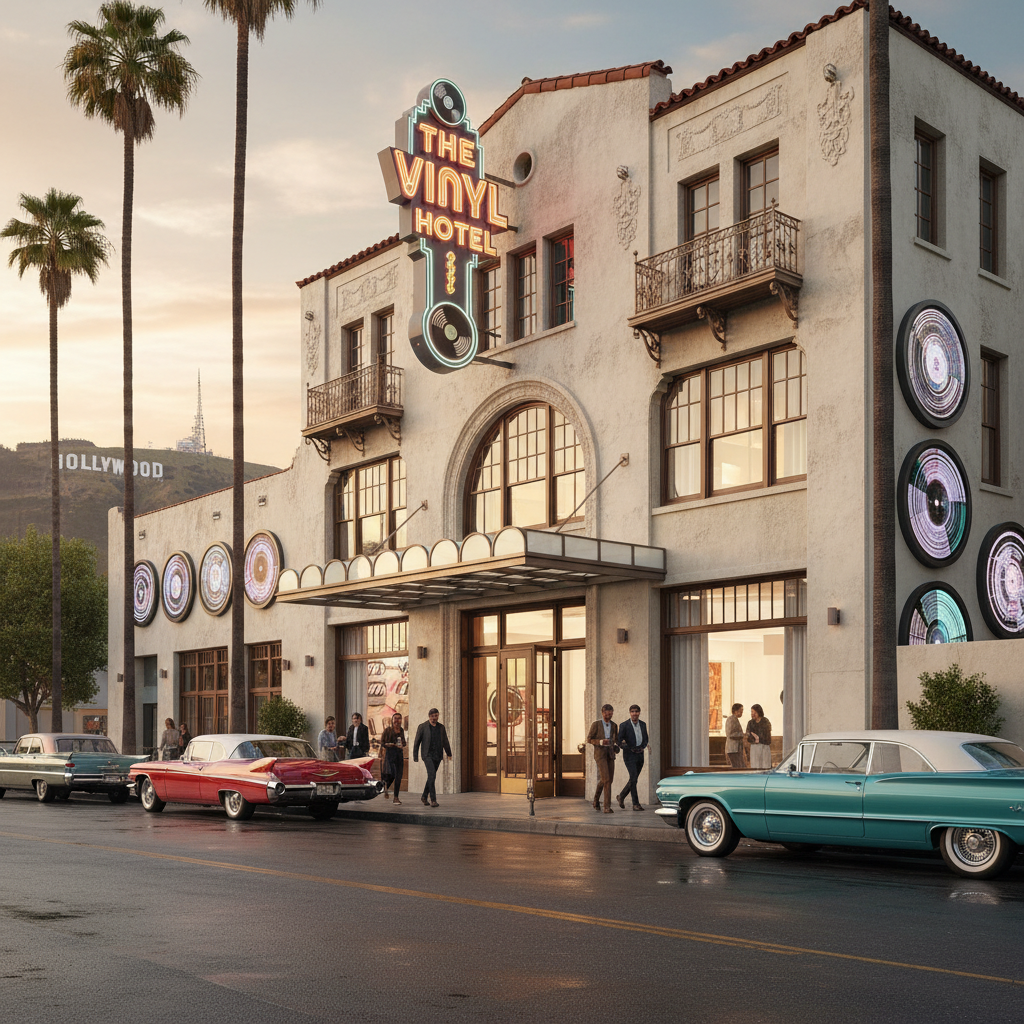
One prominent example is the conversion of the historic Capitol Records Annex building at 1750 N. Vine Street into 'The Vinyl Hotel,' a 120-room boutique lodging facility with a music-themed lounge and rooftop bar. 'We saw an opportunity to honor the building's legacy while meeting the modern traveler's desire for unique, immersive experiences,' said Sarah Jenkins, lead architect for the project. 'Hollywood needs more accommodations that reflect its vibrant culture, not just generic chain hotels.' The hotel is slated to open in Q3 2027.
Further down Cahuenga Boulevard, a former garment factory at 6540 Selma Avenue is being transformed into 'The Hub Hollywood,' a 75,000 sq ft creative office campus designed for media startups and production companies. 'The demand for flexible, collaborative office environments in Hollywood is insatiable,' noted Mark Thompson, CEO of Adaptive Spaces, the developer behind The Hub. 'Companies want spaces that inspire creativity and foster community, and these older buildings offer the perfect canvas for that.' Thompson reports a 70% pre-leasing rate for the project, which is still under construction.
Real estate analysts point to Hollywood's strategic location and ongoing public transit improvements as key drivers. 'The Metro B Line access and proximity to major studios make the Cahuenga Corridor highly attractive,' explained Dr. Emily Chang, a senior researcher at UCLA's Ziman Center for Real Estate. 'We're seeing a premium placed on walkable neighborhoods with character, and these conversions are capitalizing on that trend, pushing average commercial rents in the corridor up by 15% over the last two years.' This development trajectory suggests a more specialized and upscale commercial future for the area.