The iconic Beverly Hills Hotel has received final planning approval for its long-proposed expansion, including new bungalows and enhanced amenities. The decision comes after years of community review and adjustments to address local concerns regarding traffic and aesthetics.
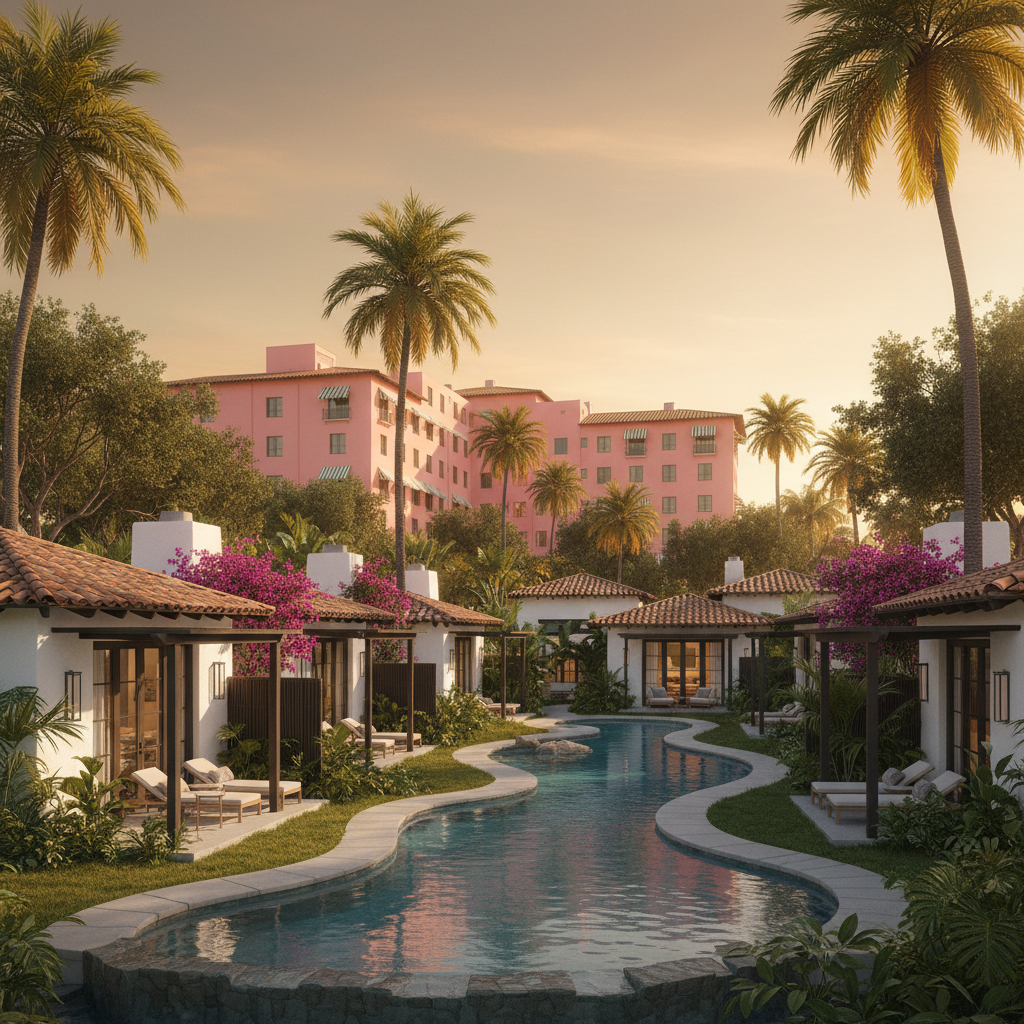
The Beverly Hills City Council, in a 3-2 vote, has granted final approval for the Beverly Hills Hotel's ambitious expansion project. The plan, submitted by owner Dorchester Collection, includes the addition of 40 new luxury bungalows, a subterranean parking structure, an expanded spa and fitness center, and significant landscaping upgrades across the 12-acre property at 9641 Sunset Boulevard. The project has been in various stages of review for over five years.
'This approval marks a new chapter for one of the world's most celebrated hotels,' said John Smith, CEO of Dorchester Collection Americas, in a statement. 'Our commitment has always been to enhance the guest experience while respecting the hotel's storied history and the character of Beverly Hills. We believe this carefully considered expansion achieves that balance.' Construction is expected to commence in early 2027, with a phased completion over three years to minimize disruption.
Key to the approval was the developer's agreement to implement a comprehensive traffic management plan, including shuttle services for staff and guests, and significant contributions to local infrastructure improvements. The design, by architectural firm HKS, also underwent several revisions to reduce building heights and increase green space, addressing concerns raised by neighborhood associations regarding scale and privacy.
'While some residents still harbor reservations, the revised plan represents a significant compromise and a net positive for our city,' commented Councilmember Julianne Moore. 'The economic benefits, including increased tourism revenue and high-end job creation, are undeniable, and the hotel's commitment to preserving its iconic status while modernizing its offerings is commendable.' The project is estimated to cost upwards of $200 million and will be financed privately.